How to Tie a Practical Hook Knot: Easy Fishing Knot Tutorial
Are you looking for a quick, reliable, and straightforward way to tie a knot on a hook? In this easy tutorial, we break down a practical hook knot that is perfect for fishing, camping, and various outdoor applications. Whether you are a beginner angler or an experienced outdoorsman, mastering this secure knot ensures your line stays connected when it matters most.
To see this knot tied in real-time, check out our quick video guide:
[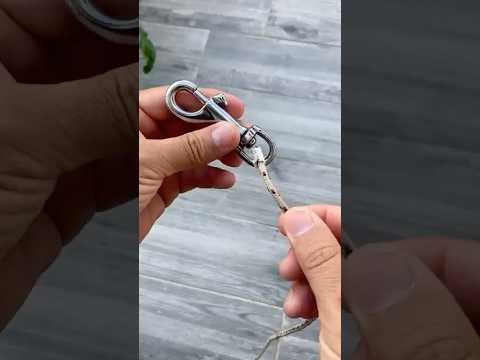](https://www.youtube.com/watch?v=SrdzCe4wi1Y)
- --
What You Will Learn
- **The fundamentals** of feeding and securing your line through any hook eye.
- **A step-by-step technique** to tie a highly reliable hook knot quickly.
- **Pro-tips** to ensure your knot is seated properly for maximum breaking strength.
- --
Step-by-Step Guide
Follow these simple steps to tie a secure hook knot every single time:
- **Thread the Line:** Pass the tag end of your fishing line or cord through the eye of the hook.
- **Form a Loop:** Pull a few inches of line through the eye, then double the tag end back to create a parallel loop alongside the main line.
- **Wrap the Line:** Wrap the tag end around both the main line and the loop 4 to 6 times, working your way back towards the eye of the hook.
- **Pass Through the Loop:** Feed the tag end through the small loop remaining at the end of your wraps.
- **Moisten and Tighten:** Wet the knot with water or saliva (essential for reducing friction) and pull both the main line and tag end firmly to seat the knot securely against the hook eye.
- **Trim the Excess:** Snip off the remaining tag end close to the knot using your line cutters.
- --
Materials and Tools
To practice and perfect this knot, you will need:
- **A Hook:** Any standard fishing hook or outdoor hook attachment.
- **Line:** Monofilament, fluorocarbon, braided fishing line, or utility cord.
- **Line Cutters:** A pair of scissors or nail clippers to trim the excess line.
- --
Tips and Tricks
- **Always Lubricate:** Never tighten a fishing knot dry. Friction creates heat, which severely weakens monofilament and fluorocarbon lines.
- **Adjust Wrap Counts:** Use more wraps (5 to 7) for thin, slick lines, and fewer wraps (4 to 5) for thicker lines or heavy-duty cords.
- **Test the Knot:** Always give the main line a strong, steady pull before casting to ensure the knot is locked and won't slip under tension.
- --
Conclusion
Tying a secure hook knot doesn't have to be complicated. With just a little bit of practice, this quick and practical knot will become second nature, helping you fish and tackle the outdoors with absolute confidence. Happy fishing!