How to Tie an Easy-Release Tow Rope for Cars and Off-Road Recovery
Getting stuck in the mud or dealing with a broken-down vehicle is a stressful situation, but recovering it shouldn't cost you your tow rope. Standard knots often tighten under extreme tension, leaving you with a rock-hard knot that you eventually have to cut off. In this guide, inspired by Gullebica's handy tutorial video, we will show you how to tie the ultimate easy-release tow rope knot that remains secure during heavy pulls yet unties effortlessly when the job is done.
Watch the full quick tutorial here: [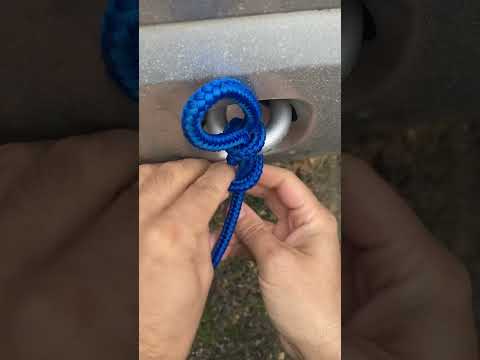](https://www.youtube.com/watch?v=V6ZVU7PeCy4)
What You Will Learn
- Why standard knots jam under high tension and how to prevent it.
- How to tie a secure, non-jamming towing knot step-by-step.
- Best safety practices for vehicle recovery and towing.
- How to easily untie your tow rope without using any tools.
Step-by-Step Guide: Tying the Ultimate Easy-Release Tow Knot
Follow these simple steps to secure your vehicle for towing without ruining your recovery rope:
- **Pass the Rope Through the Anchor:** Wrap the working end of your heavy-duty tow rope around the designated towing eye, recovery loop, or chassis-mounted tow hook of the vehicle.
- **Form a Loop (The Bight):** Create a secure loop in the standing part of the rope (the side leading to the towing vehicle).
- **Twist and Tuck:** Take the working end (the tail) and pass it over the standing line, tucking it through the loop you just created.
- **Create the Slip Release:** Fold the tail of the rope to form a bight (a folded loop). Pass this doubled loop back through the locking turn. This "slipped" loop acts as your quick-release trigger.
- **Tighten the Knot:** Pull firmly on the standing part of the rope to lock the knot securely against the vehicle's recovery point.
- **Untie with Ease:** Once the recovery is complete, simply grab the loose tail end of the slipped loop and pull. The entire knot will instantly collapse, no matter how much tension was applied during the pull.
Materials and Tools
- **Tow Rope / Recovery Strap:** A high-quality, synthetic kinetic recovery rope or static tow strap rated for your vehicle's weight.
- **Recovery Points:** Dedicated frame-mounted tow hooks or rated shackles on both vehicles.
- **Gloves:** Heavy-duty utility gloves to protect your hands from abrasions and rope burns.
Tips and Tricks for Safe Towing
- **Avoid the Bumper:** Never attach a tow rope directly to a vehicle's bumper, steering components, or suspension axles. Only use factory-approved recovery points.
- **Use a Line Damper:** Always drape a heavy blanket, jacket, or dedicated damper over the middle of the tow line. In the rare event that the rope snaps, the damper will absorb the energy and drop the line safely to the ground.
- **Apply Slow, Steady Tension:** Avoid jerky movements or racing starts when towing. Smooth, gradual acceleration keeps the tension consistent and prevents sudden shocks to the recovery rig.
- **Inspect Before Use:** Regularly check your tow ropes for cuts, frays, or UV damage, and replace them if they show signs of wear.
Conclusion
Mastering this easy-release towing knot is an essential skill for any driver, off-roader, or DIY enthusiast. With this reliable technique in your toolkit, you can tackle unexpected vehicle breakdowns and muddy trail emergencies with confidence—without ever having to ruin another tow rope. Be sure to subscribe to Gullebica for more practical, life-saving knot tutorials!